
PTC Heating Chip
Compact self-regulating PTC ceramic heating element
PTC Heating Chip Types
PTCWORKS supplies compact PTC heating chips in three electrode and lead-wire configurations. These bare PTC ceramic heating elements are designed for OEM products where the heating component can be integrated directly into an existing housing or assembly.
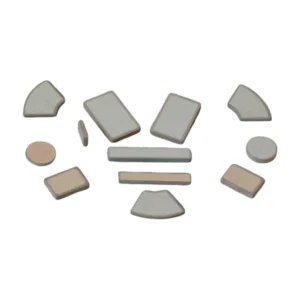
Dual-Surface Electrode PTC Heating Chip
A compact PTC ceramic heating chip with electrodes on both surfaces, designed for assemblies where electrical connection through the two opposing surfaces fits the product structure.
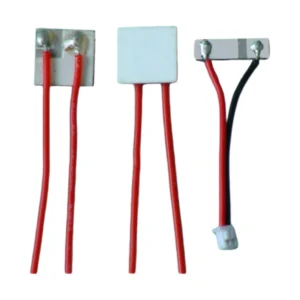
Single-Surface Lead Wire PTC Heating Chip
A PTC heating chip with a lead-wire configuration designed for compact embedded assemblies where electrical connections need to be routed from one surface of the heating element.
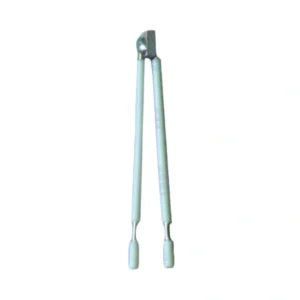
Side-Edge Lead Wire PTC Heating Chip
A side-edge lead-wire PTC ceramic heating chip for compact designs where the top and bottom surfaces need to remain available for mounting or heat transfer.
What Is a PTC Heating Chip?
A PTC heating chip is a bare self-regulating PTC ceramic heating element supplied without an outer housing. Its compact form makes it suitable for OEM products where the heating element can be integrated directly into an existing enclosure or assembly.
Compared with a pre-housed PTC heater, a heating chip gives product designers greater flexibility over the surrounding mechanical structure, electrical insulation and heat-transfer path. This makes it useful when the OEM product already provides the protection and mounting structure required by the heating element.
PTC ceramic material has a positive temperature coefficient of resistance. As the temperature of the ceramic rises, its electrical resistance increases, allowing the heating element to provide self-regulating heating behavior in suitable applications without relying solely on a separate thermostat.
PTC Heating Chip Configurations
Dual-Surface Electrode Type
The dual-surface electrode configuration provides electrical connection through the two opposing surfaces of the PTC ceramic element. It is suitable when the chip can be positioned between conductive or electrically connected components within the assembly.
Single-Surface Lead Wire Type
The single-surface lead-wire configuration places the electrical connection on one side of the heating chip. This arrangement can simplify integration when both electrical leads need to be routed from the same side of the assembly.
Side-Edge Lead Wire Type
The side-edge configuration routes the lead wire from the edge of the PTC ceramic chip. It can be considered for compact designs where the top and bottom surfaces need to remain available for mounting or heat transfer.
OEM Integration
The three configurations give engineers flexibility when selecting a PTC heating chip according to installation space, electrical connection requirements and the structure of their own product.
PTC Heating Chip vs. PTC Heater
The main difference is the level of integration. A PTC heating chip is the bare ceramic heating element, while a complete PTC heater normally combines the heating element with additional components such as a housing, mounting structure, fins or electrical connections.
PTC Heating Chip
A PTC heating chip is suitable for OEM engineers who want to integrate the heating element directly into their own product. The bare ceramic element allows the designer to develop the surrounding housing, insulation and heat-transfer structure according to the application.
Complete PTC Heater
A complete PTC heater is better suited to applications that require a more integrated heating assembly. Depending on the design, it may include housing, fins, mounting structures or other components needed for installation.
PTC Heating Chip Applications
Compact PTC heating chips can be integrated into products where limited installation space, self-regulating heating behavior and OEM design flexibility are important.
Compact Consumer Electronics
Embedded heating components for compact electronic products where available installation space is limited.
Small Appliance Heating Cores
Compact ceramic heating elements for appliance assemblies where the PTC chip can be integrated into an existing structure.
Sensor & Actuator Assemblies
Localized heating for selected sensor or actuator assemblies where compact heating components are required.
OEM Sub-Component Integration
A flexible heating element option for manufacturers developing their own housing, mounting and thermal-management structure.
PTC Heating Chip Specifications & Customization
PTCWORKS can evaluate heating chip configurations according to the electrical, mechanical and connection requirements of an OEM assembly. Final specifications should be selected according to the operating conditions and product design.
Why Choose a PTC Heating Chip?
Compact Design
The bare ceramic structure eliminates the additional space required by a separate heater housing, making the component suitable for compact assemblies.
Self-Regulating Heating
PTC ceramic material provides a temperature-dependent resistance characteristic that supports self-regulating heating behavior.
Flexible OEM Integration
Engineers can design their own enclosure, insulation and heat-transfer structure around the PTC ceramic heating element.
Multiple Connection Options
Three available configurations provide flexibility for different electrical connection and installation requirements.
Explore Other PTC Heating Solutions
If your application requires a complete heating assembly rather than a bare PTC heating chip, explore other PTCWORKS heating solutions for air, liquid and other heating applications.
PTC Heating Chip FAQ
What is a PTC heating chip?
A PTC heating chip is a bare self-regulating PTC ceramic heating element without an outer housing. It is designed to be integrated directly into an OEM product or custom heating assembly.
What is a PTC heating chip used for?
PTC heating chips are used where compact, self-regulating heating is required and the product manufacturer can provide its own housing, electrical insulation and mechanical structure. Typical applications include compact electronics, small appliance heating assemblies, sensor or actuator assemblies and other OEM products.
How does a PTC heating chip work?
A PTC ceramic heating chip uses a positive temperature coefficient material whose electrical resistance increases as temperature rises. This characteristic enables the heating element to regulate its heating behavior as its temperature changes.
What is the difference between a PTC heating chip and a PTC heater?
A PTC heating chip is the bare ceramic heating element, while a complete PTC heater generally includes additional components such as a housing, fins, mounting structure or electrical connections. A heating chip is useful when the OEM customer wants to design the surrounding structure independently.
Can PTC heating chips be customized?
Yes. OEM requirements can be discussed for chip size and shape, resistance value, lead-wire configuration and electrode configuration. The final design depends on the voltage, target heating performance and physical structure of the application.
What PTC heating chip sizes and resistance values are available?
Available specifications depend on the intended application. Share your target voltage, resistance, installation dimensions and connection requirements with PTCWORKS so the appropriate configuration can be evaluated.
Do you offer free samples of heating chips?
Yes. PTCWORKS can discuss sample requirements for OEM development. Provide your target voltage, resistance, chip dimensions and preferred lead-wire configuration to start the evaluation.
NEED A CHIP SPECCED TO YOUR ASSEMBLY?
Send your target resistance, voltage and lead wire preference — we’ll propose a starting configuration and turn around samples.
GET FREE SAMPLES