
Secondary Heating System in Case of a Short Circuit
A primary heating circuit that fails doesn’t just stop heating — depending on the fault, it can create a real hazard. A secondary system built around a self-limiting element changes that outcome.
Redundancy in a heating system usually focuses on keeping the heat running. It’s just as important to make sure a fault in the backup path doesn’t introduce a new hazard of its own.
Why PTC is a natural fit for a fail-safe secondary path
In systems where a short circuit or fault condition could otherwise allow uncontrolled current and heat buildup, a PTC element’s rising resistance near its Curie point puts a physical ceiling on output — regardless of whether the surrounding control electronics are functioning correctly. That makes it a common choice for secondary or backup heating paths specifically because it degrades safely under fault conditions rather than failing dangerously.
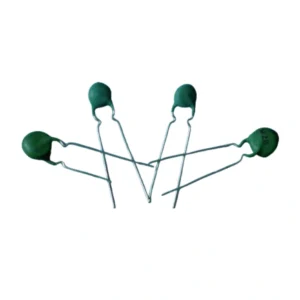
Resin-encapsulated type
Resin-encapsulated sealing protects against moisture and vibration in industrial fault-tolerant applications.
View Cased Heater products →The engineering principle behind this
- Self-limiting by physics, not by a control circuit that could itself be the point of failure.
- Sealed housing options protect the element from the same fault conditions affecting the rest of the system.
- No dependence on active monitoring to stay within a safe temperature range.
See how PTC ceramic heaters self-regulate temperature for the underlying mechanism. PTCWORKS can help specify a sealed element for a fault-tolerant design — contact our team with your circuit protection requirements.
Designing a fault-tolerant heating circuit?
Send your target temperature, voltage and sealing requirements — we’ll recommend a starting element.